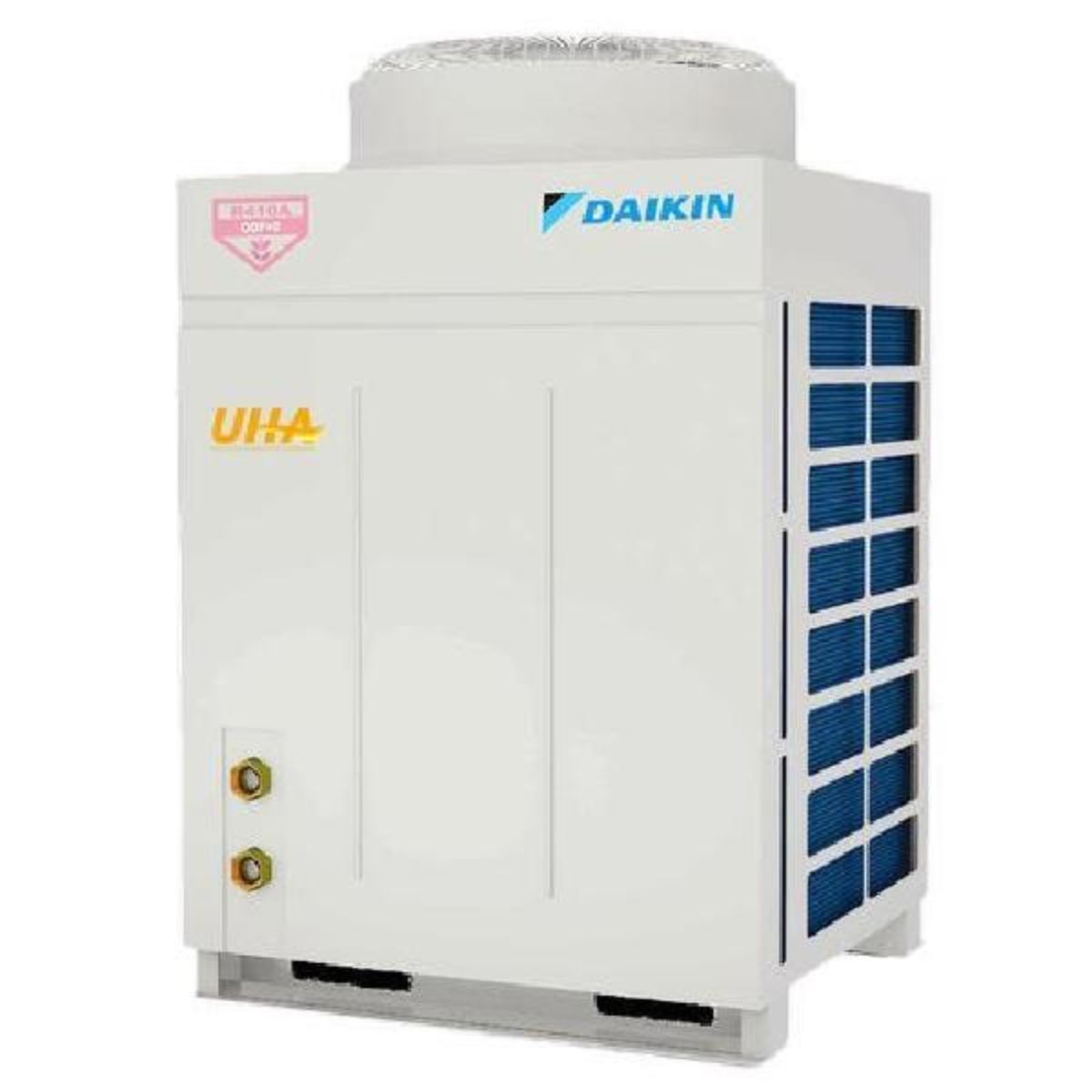
Heat Pump for Hot Water – Energy-Efficient Water Heating Solution
A Heat Pump for Hot Water is an energy-efficient water heating system that extracts heat from ambient air and transfers it to water using advanced heat pump technology. It provides reliable hot water while consuming significantly less electricity than conventional water heaters, making it ideal for homes, hotels, hospitals, apartments, and commercial buildings. Heat pumps offer lower operating costs, reduced carbon emissions, and long-term energy savings.

Description
What is a Heat Pump for Hot Water?
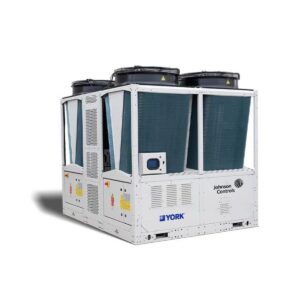
A Heat Pump for Hot Water is an energy-efficient water heating system. It uses heat from the surrounding air to heat water.
Unlike an electric geyser, a heat pump does not create heat directly. It transfers heat from the air to the water.
This makes heat pumps a suitable choice for applications that need a regular supply of hot water. They are used in homes, hotels, hospitals, commercial buildings, and industrial facilities.
How Does a Hot Water Heat Pump Work?
A hot water heat pump takes heat from the surrounding air. It uses a refrigeration cycle to transfer this heat to the water.
The heat is transferred to water stored in a tank. The heated water can then be used for bathing, cleaning, and other hot water needs.
Since the system transfers heat instead of generating it directly, it can use less electricity than conventional electric water heaters.
Key Features of Hot Water Heat Pumps
High Energy Efficiency
Heat pumps use heat available in the surrounding air. This can reduce electricity consumption compared with conventional electric water heaters.
Lower Operating Costs
Lower electricity consumption can help reduce monthly energy bills. It can also lower the long-term operating cost of the hot water system.
Eco-Friendly Technology
Heat pumps use thermal energy from the surrounding air. This can help reduce electricity use and the associated carbon emissions.
Reliable Hot Water Supply
Heat pumps are designed to provide hot water for regular daily use. They can be used in both residential and commercial applications.
Intelligent Temperature Control
Advanced controls monitor the water temperature. The system can adjust its operation to maintain the required temperature.
Quiet Operation
Modern hot water heat pumps are designed for low-noise operation. This makes them suitable for homes, hotels, and commercial buildings.
Long Service Life
Quality components and proper maintenance can support reliable long-term operation.
Technical Specifications
General Information
| Parameter | Details |
|---|---|
| Product Type | Air Source Heat Pump |
| Application | Domestic and Commercial Hot Water |
| Installation | Outdoor / Floor Mounted |
| Operation | Automatic Temperature Control |
| Water Heating Method | Heat Pump Technology |
Electrical Specifications
Typical electrical specifications may include:
- Power supply: 220–240V
- Phase: Single phase
- Frequency: 50 Hz
- Energy-efficient operation
- Low power consumption
Always check the product datasheet for the exact electrical requirements.
Performance Features
Depending on the model, features may include:
- High Coefficient of Performance (COP)
- Efficient water heating
- Stable hot water output
- Energy-saving operation
- Reliable year-round performance
Operating Conditions
Hot water heat pumps can operate under different ambient conditions. The operating range depends on the model and system design.
Typical considerations include:
- Ambient temperature range
- Installation location
- Water temperature requirement
- Climate conditions
Applications of Hot Water Heat Pumps
Heat pump water heaters are suitable for many residential, commercial, and industrial applications.
Residential Applications
- Individual homes
- Villas
- Apartments
- Residential complexes
- Builder floors
Hospitality Applications
- Hotels
- Resorts
- Guest houses
- Service apartments
Healthcare Applications
- Hospitals
- Clinics
- Nursing homes
- Healthcare facilities
Commercial Applications
- Offices
- Commercial buildings
- Staff facilities
- Pantry areas
Industrial Applications
- Process hot water systems
- Manufacturing facilities
- Worker accommodation
- Utility areas
Benefits of Choosing a Heat Pump for Hot Water
Lower Electricity Consumption
Heat pumps can use less electricity than conventional electric water heaters. Actual savings depend on the model, climate, water temperature, and usage pattern.
Sustainable Water Heating
Heat pumps use heat from the surrounding air. This makes them a more energy-efficient option for many hot water applications.
Lower Operating Costs
Lower energy consumption can help reduce the operating cost of a hot water system. The savings can be significant over the life of the equipment.
Reliable Hot Water
A properly sized heat pump can provide a reliable supply of hot water for residential and commercial applications.
Reduced Environmental Impact
Using less electricity can help reduce the carbon emissions associated with water heating.
Frequently Asked Questions
What is a heat pump water heater?
A heat pump water heater uses heat from the surrounding air to heat water. It can provide hot water while using less electricity than many conventional water heaters.
Is a heat pump better than an electric geyser?
A heat pump can be more energy efficient than a conventional electric geyser. The actual difference depends on the system, climate, water temperature, and usage.
Can a heat pump provide hot water throughout the year?
Yes. Hot water heat pumps can operate throughout the year. However, performance can vary with outdoor temperature and the specific model.
Where can hot water heat pumps be installed?
Heat pumps can be used in homes, apartments, hotels, hospitals, offices, commercial buildings, and industrial facilities.
Are heat pumps environmentally friendly?
Heat pumps can reduce electricity consumption compared with conventional electric water heaters. This can help reduce the environmental impact of water heating.
How much electricity can a heat pump save?
Savings depend on the heat pump model, outdoor temperature, hot water demand, water temperature, and operating conditions. The manufacturer’s performance data should be used to determine expected savings.
Brand
Daikin
Jaideo Automation India is Authorised Daikin Distributor from Jaipur.
Only logged in customers who have purchased this product may leave a review.
Related products
Product successfully added to the Quote List
Product successfully added to the Quote List
Reviews
There are no reviews yet.